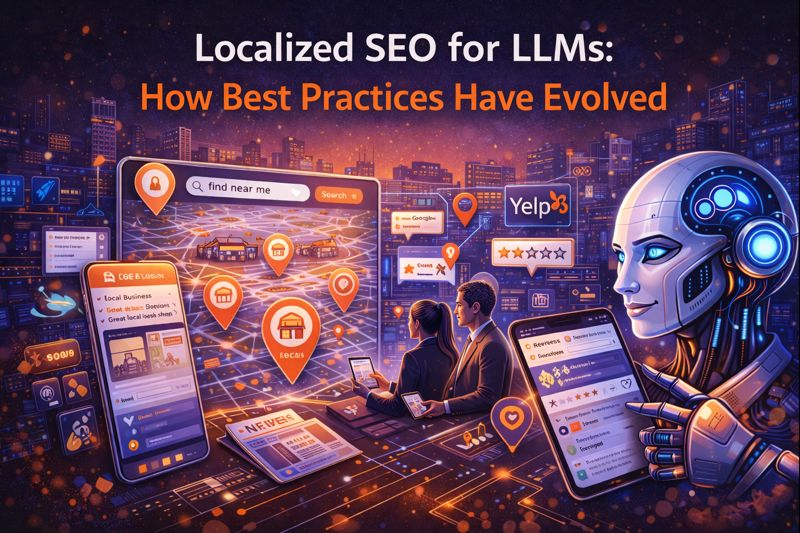
The article, “Localized SEO for LLMs: How Best Practices Have Evolved,” addresses the profound impact of Large Language Models (LLMs) on local business discovery and visibility. It highlights a critical shift from conventional search engine operations to a more sophisticated, AI-driven approach.
The Rise of Large Language Models in Local Search:
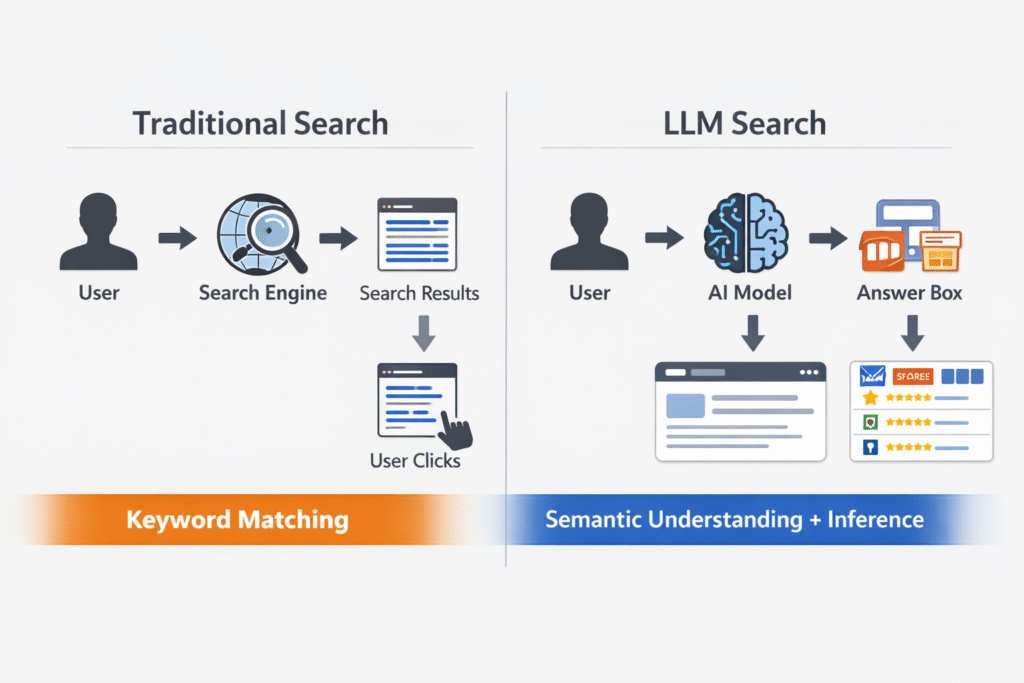
The central premise is that LLMs, exemplified by technologies such as ChatGPT, Perplexity, and Google’s AI Overviews, are fundamentally altering how individuals locate local businesses. These systems are not merely incremental improvements over prior search technologies; they represent a significant departure in their operational mechanisms.
Beyond Traditional Website Crawling:
A key distinction articulated in the article is that LLMs do not simply “crawl” websites in the manner of legacy search engine bots. Traditional crawling involves systematically indexing web pages, extracting text, and analyzing HTML structures to build a database for search queries. While this process remains foundational for some aspects of web indexing, LLMs operate at a higher cognitive level.
Interpretive and Inferential Capabilities of LLMs:
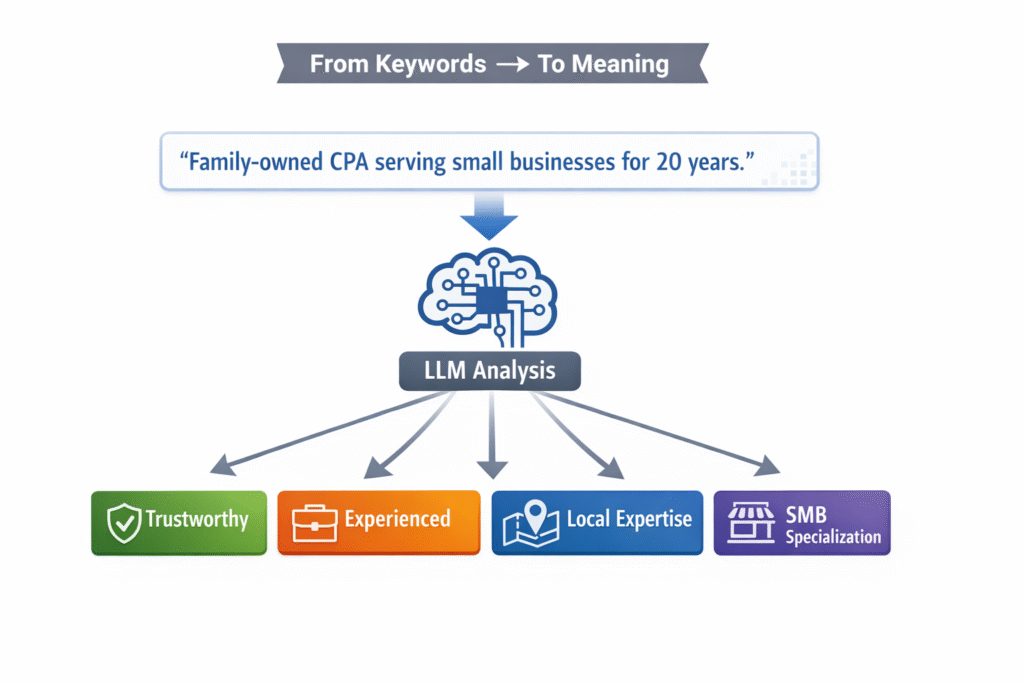
The article emphasizes three core capabilities of LLMs that differentiate their approach to understanding local businesses:
- Interpretation of Language: LLMs are designed to comprehend natural language with a high degree of nuance. This means they can understand context, idiomatic expressions, and the subtle implications of text, rather than just matching keywords.
- Inference of Meaning: Beyond literal interpretation, LLMs can infer meaning. They can deduce underlying intentions, relationships, and qualitative attributes of a business even when not explicitly stated. This allows them to create a richer, more nuanced profile of a local entity.
- Piecing Together Brand Identity Across the Entire Web:
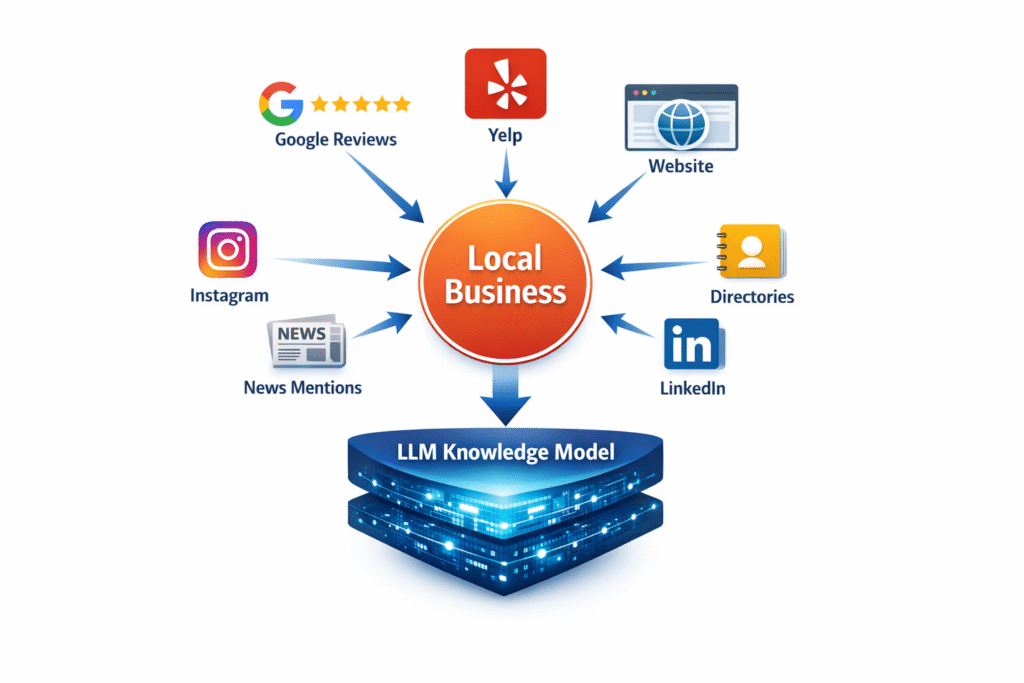
Crucially, LLMs synthesize information from a multitude of online sources. This extends beyond a single website to include social media profiles, review platforms, online directories, news articles, and other digital footprints. They aggregate this dispersed data to construct a cohesive “brand identity.” This holistic view means that inconsistencies or gaps across various online properties can significantly influence an LLM’s understanding and representation of a business.
Impact on Local Business Discovery and Visibility:
This evolution in how digital entities are processed has direct consequences for local businesses:
- Changes in Discovery Mechanisms: Consumers are increasingly leveraging LLMs for informational queries, including local business searches. The responses generated by these LLMs, often in conversational or summary formats (like Google’s AI Overviews), are directly influenced by the LLM’s aggregated understanding, bypassing traditional organic search results pages to some extent.
- Unstable Local Visibility: The article notes that if a business’s local visibility feels “unstable,” this shift is a primary contributing factor. The dynamic and interpretative nature of LLMs means that a business’s online presence must be consistently clear, accurate, and coherent across all channels to ensure stable and positive representation by these AI systems. Fluctuations can arise from inconsistent information, conflicting reviews, or a lack of comprehensive online data that LLMs can leverage.
In essence, the article positions LLMs as sophisticated sense-makers of the web, moving localized SEO beyond mere technical optimization to a strategic focus on comprehensive, semantically rich, and harmonized online brand presentation.