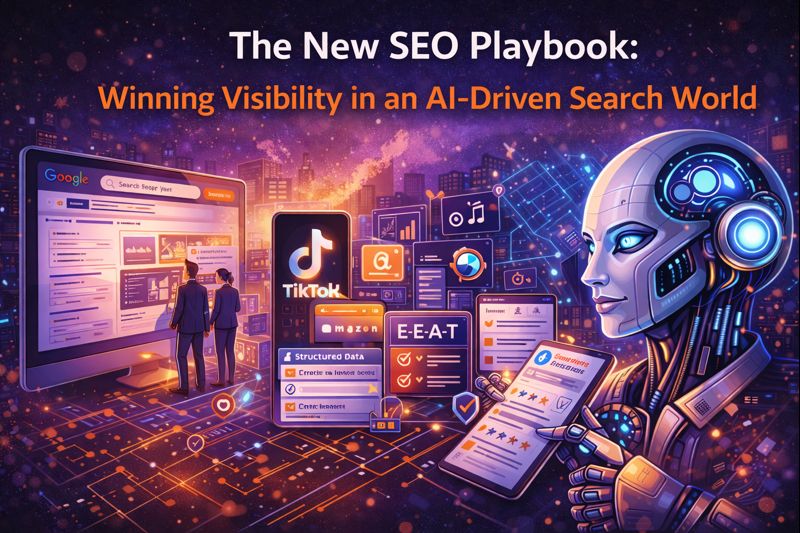
The discourse surrounding the vitality of SEO in the mid-2020s asserts that traditional SEO, as previously understood, is undergoing a significant transformation rather than facing obsolescence. This evolution is driven by fundamental shifts in how individuals seek and consume information.
The Evolving Search Landscape:
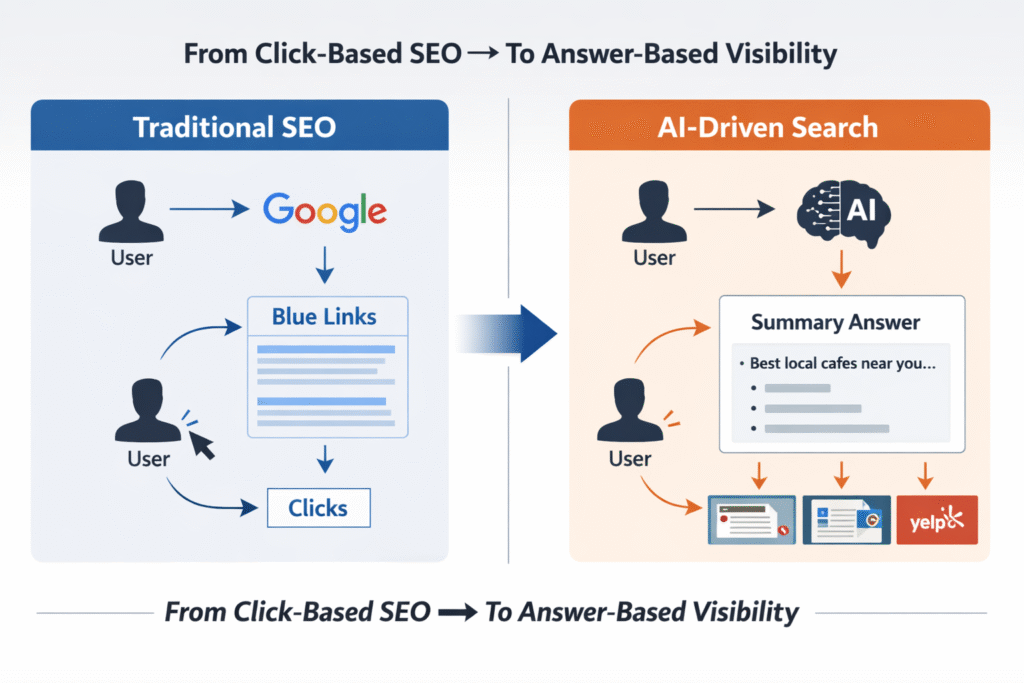
Google continues to be a formidable entity in the search sphere, responsible for a substantial 63.41% of all U.S. web traffic in 2026. However, its monopoly on information discovery is diminishing. The digital ecosystem now includes a multitude of platforms that function as de facto search engines, such as TikTok for short-form video discovery, Amazon for product searches, and generative AI tools like ChatGPT and Claude for synthesized information. This fragmentation necessitates a paradigm shift from conventional “search engine optimization” to a more expansive “search everywhere optimization.”
Google’s algorithms are in a constant state of flux, with an average of over 12 updates deployed daily. This relentless evolution requires marketers to adapt their strategies continually. The rise of AI overviews and “zero-click” answers, where users receive information directly on the search results page without needing to click through to a website, further complicates traditional SEO objectives. These AI-driven responses can reduce organic traffic even for pages ranking highly.
Key Shifts and Imperatives for Modern SEO:
- User Experience (UX) as a Core Ranking Factor: Google’s emphasis on user experience, encompassing critical factors like site speed and mobile optimization, solidifies SEO’s foundational importance. A superior user experience remains vital for achieving and maintaining high rankings.
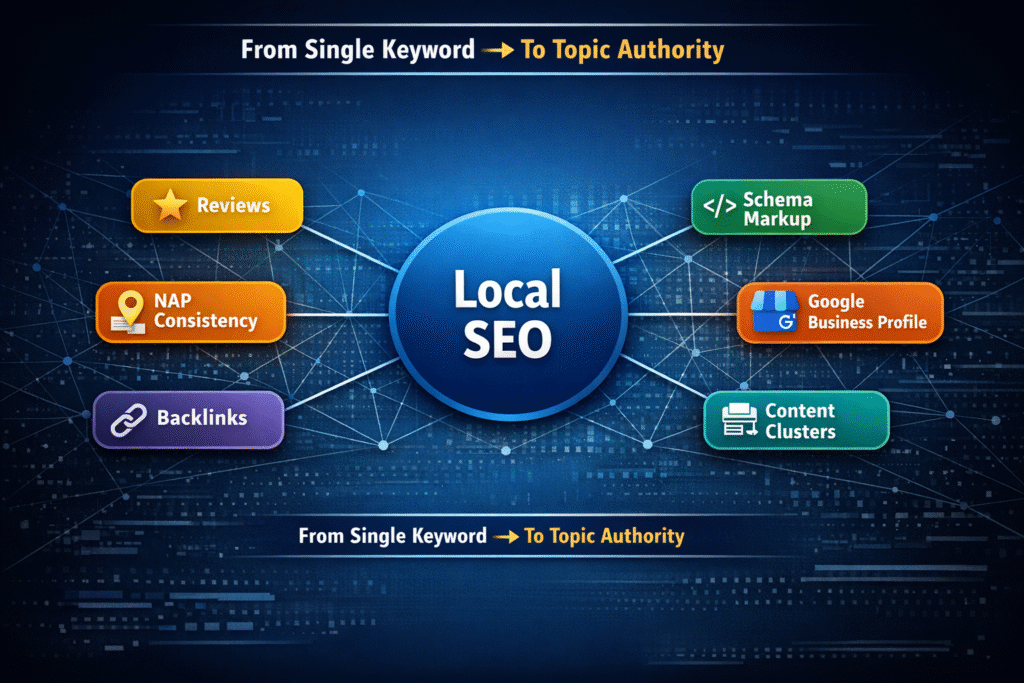
- Beyond Keywords: Topical Depth and Entity-Based Search: The efficacy of optimizing solely for individual keywords is diminishing. Modern search algorithms, particularly AI-powered systems, prioritize a deep, comprehensive understanding of a topic (topical depth) and the relationships between entities. This means content creators must build out expansive, interconnected knowledge hubs around core subjects rather than isolated articles targeting specific keywords.
- Author and Brand Authority (E-E-A-T for AI):The established E-E-A-T framework (Experience, Expertise, Authoritativeness, Trustworthiness) is being reinterpreted for the AI era. In this context, “author authority” becomes a crucial driver for AI citations. High-quality content produced by recognized experts and reputable brands is more likely to be cited and integrated into AI-generated answers, effectively becoming the new “backlinks” for visibility in generative search.
- Optimizing for Featured and Summarized Results: With AI increasingly providing direct answers, optimizing content to be easily digestible and suitable for featured snippets, answer boxes, and AI summaries is paramount. This includes structuring content logically, using clear headings, and providing concise answers to common questions.
- Feeding the Machines: Structured Data and AI-Friendly Content: To enhance discoverability by AI, content must be structured in a machine-readable format. Implementing schema markup and other forms of structured data helps AI systems understand the context and relationships within the content, making it more likely to be featured in AI-powered search results. Content should be crafted to be easily extracted, trusted, and reused by AI models.
- Rethinking SEO Workflow for Generative Search: The traditional SEO workflow, heavily focused on achieving clicks through organic rankings, needs re-evaluation. The new objective is to optimize for reliability, composability, and downstream usefulness of information, even if a direct click to the website does not occur. This involves adapting strategies to align with how AI systems gather, process, and present information.
Conclusion:
SEO is not dead but rather undergoing a significant metamorphosis. Success in this evolving environment depends on a marketer’s ability to adapt rapidly, integrating new trends and focusing on a holistic “search everywhere optimization” strategy that encompasses traditional search engines, social media platforms, and advanced AI technologies. High-quality, user-centric, and well-structured content remains the cornerstone of any effective digital strategy.